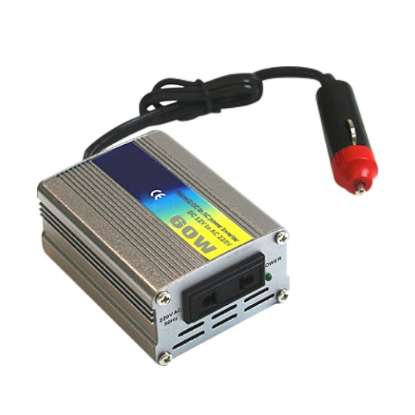






@PowerInverter
Power inverters are essential devices that have revolutionized the way we use and manage electrical power. They serve as the bridge between direct current (DC) power sources, such as batteries or solar panels, and alternating current (AC) systems, which are required to power most household appliances and electronics. This conversion process is crucial for ensuring that energy from renewable sources or stored power can be effectively utilized in everyday applications.
Inverter.com provides valuable insights into the functionality and importance of power inverters. According to the website, power inverters are designed to efficiently convert DC power into AC power, making them indispensable in a variety of settings, from residential homes to industrial facilities. This conversion is not just a simple process; it involves sophisticated technology to ensure that the output power is stable, clean, and compatible with the electrical grid or standalone systems.
One of the primary applications of power inverters is in renewable energy systems, particularly solar power. Solar panels generate DC power, which needs to be converted to AC power to be used by household appliances or fed into the electrical grid. Inverter.com highlights that modern power inverters are equipped with advanced features such as maximum power point tracking (MPPT), which optimizes the energy output from solar panels by dynamically adjusting the operating voltage to match the panel’s maximum power output. This ensures that the system operates at peak efficiency, even under varying weather conditions.
Power inverters also play a critical role in emergency power systems. In the event of a power outage, inverters can convert stored DC power from batteries into usable AC power, providing a reliable backup solution. This is particularly important for critical applications such as medical equipment, refrigeration, and communication systems, where a continuous power supply is essential.
Inverter.com emphasizes the importance of selecting the right type of power inverter for specific needs. Pure sine wave inverters, for example, produce a smooth and stable AC waveform that is suitable for sensitive electronics and appliances, whereas modified sine wave inverters are more cost-effective but may not be ideal for all types of equipment. Understanding the differences and choosing the appropriate inverter can significantly impact the performance and longevity of connected devices.
Another key aspect of power inverters is their integration with smart technology. Many modern inverters come with built-in monitoring systems that allow users to track energy production, consumption, and system performance in real-time. This data can be accessed via web portals or mobile apps, providing valuable insights and enabling better energy management decisions. Smart inverters can also communicate with other devices in a smart home or grid, optimizing energy usage and reducing waste.
Safety is another critical feature of power inverters. They are designed with multiple protection mechanisms to prevent electrical faults, overloads, and other hazards. These safety features ensure that the inverter operates reliably and safely, protecting both the connected equipment and the user.
In conclusion, power inverters are vital components in modern energy systems, enabling the efficient use of renewable energy sources and providing reliable backup power solutions. With advancements in technology, inverters have become more efficient, intelligent, and user-friendly. Whether for residential, commercial, or industrial use, selecting the right power inverter can significantly enhance energy efficiency, reduce costs, and contribute to a more sustainable future.