





Eczema Clinical Trials: Research, Treatments, and Future Advances
Introduction
Eczema clinical trials are research stu****s conducted to develop and evaluate new treatments for eczema, also known as atopic dermatitis. This chronic skin condition causes itching, inflammation, dryness, and irritation, affecting people of all ages. Clinical trials are essential for improving existing therapies and discovering more effective, long-term treatment options. Refer Link: https://cahabaclinicalresearch.com/ .
What are Eczema Clinical Trials?
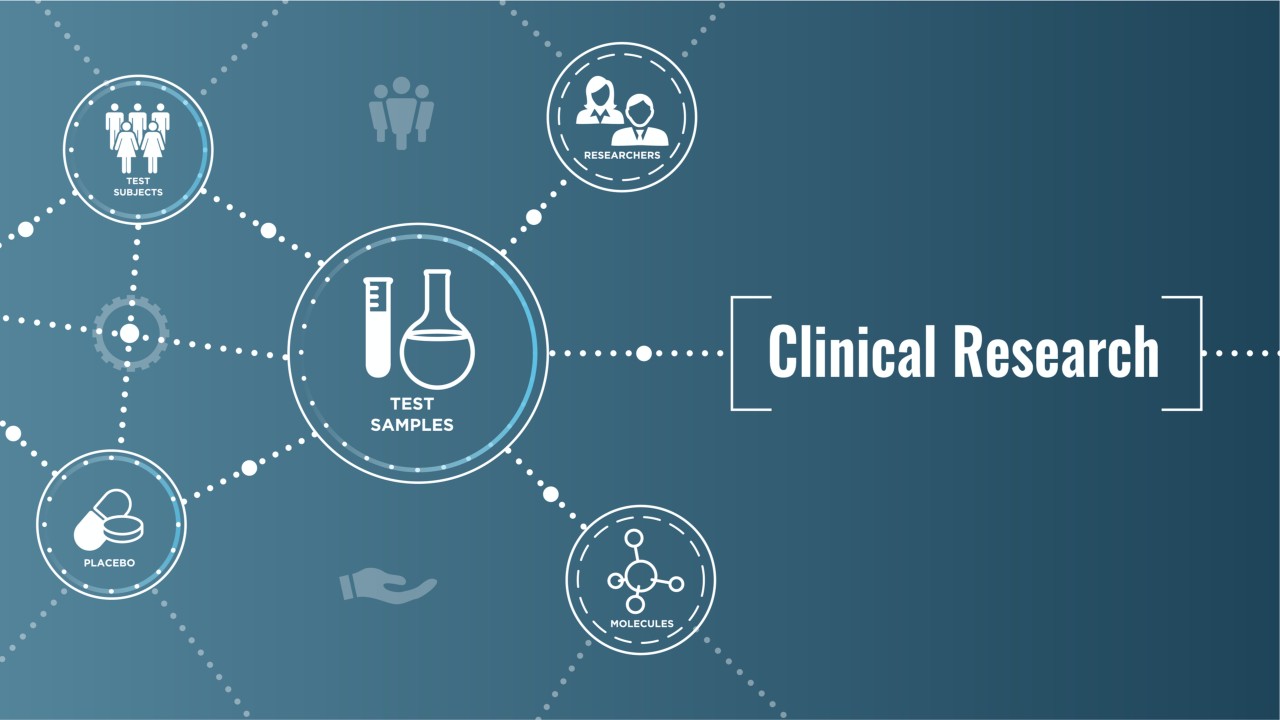
Eczema clinical trials are structured medical stu****s involving human participants to test new medications, therapies, or treatment strategies. These trials are designed to evaluate safety, effectiveness, and potential side effects before treatments are approved for wider use. They also help researchers better understand how eczema develops and how it can be managed more effectively.
Phases of Clinical Trials
Eczema clinical trials are typically conducted in four phases. Phase 1 focuses on testing safety and determining proper dosage in a small group of participants. Phase 2 evaluates the effectiveness of the treatment and monitors side effects in a larger group. Phase 3 involves large-scale testing to confirm results and compare the new treatment with existing options. Phase 4 takes place after approval to study long-term safety and effectiveness.
Types of Treatments Stu****d
Clinical trials for eczema explore a wide range of treatments. These include topical therapies such as creams and ointments, oral medications that reduce inflammation, biologic therapies that target specific immune responses, and phototherapy using controlled light exposure. Researchers are also studying new drug formulations and advanced treatment approaches to improve symptom control.
How Clinical Trials Work
In eczema clinical trials, participants are typically divided into groups. One group receives the new treatment, while another may receive a placebo or standard therapy. Researchers closely monitor participants to track improvements in symptoms, identify side effects, and evaluate overall effectiveness. Regular medical checkups and assessments are part of the study process.
Benefits of Participating
Participating in eczema clinical trials can provide several benefits. Individuals may gain access to new treatments before they are widely available. They receive regular medical monitoring and professional care throughout the study. Participation also contributes to scientific research that may improve treatment options for others in the future.
Risks and Challenges
There are potential risks involved in clinical trials. New treatments may have unknown side effects, and results may vary among participants. Some individuals may receive a placebo instead of the active treatment. Trials may also require time commitments, including clinic visits and follow-up evaluations.
Challenges in Eczema Research
Eczema clinical trials face challenges such as variations in symptoms, triggers, and responses to treatment among patients. Recruiting participants and conducting long-term stu****s can also be difficult. Regulatory requirements and research costs further add to the complexity of conducting clinical trials.
Future of Eczema Clinical Trials
The future of eczema clinical research is promising, with ongoing advancements in targeted therapies, biologics, and personalized medicine. Researchers are working to develop treatments that provide long-lasting relief with fewer side effects. Technological innovations are also improving the efficiency and accuracy of clinical stu****s.
Conclusion
Eczema clinical trials are essential for advancing treatment options and improving patient care. Through continuous research and innovation, these stu****s are helping to develop safer and more effective therapies for managing eczema. As scientific knowledge grows, clinical trials will continue to play a vital role in improving the quality of life for individuals living with this condition.