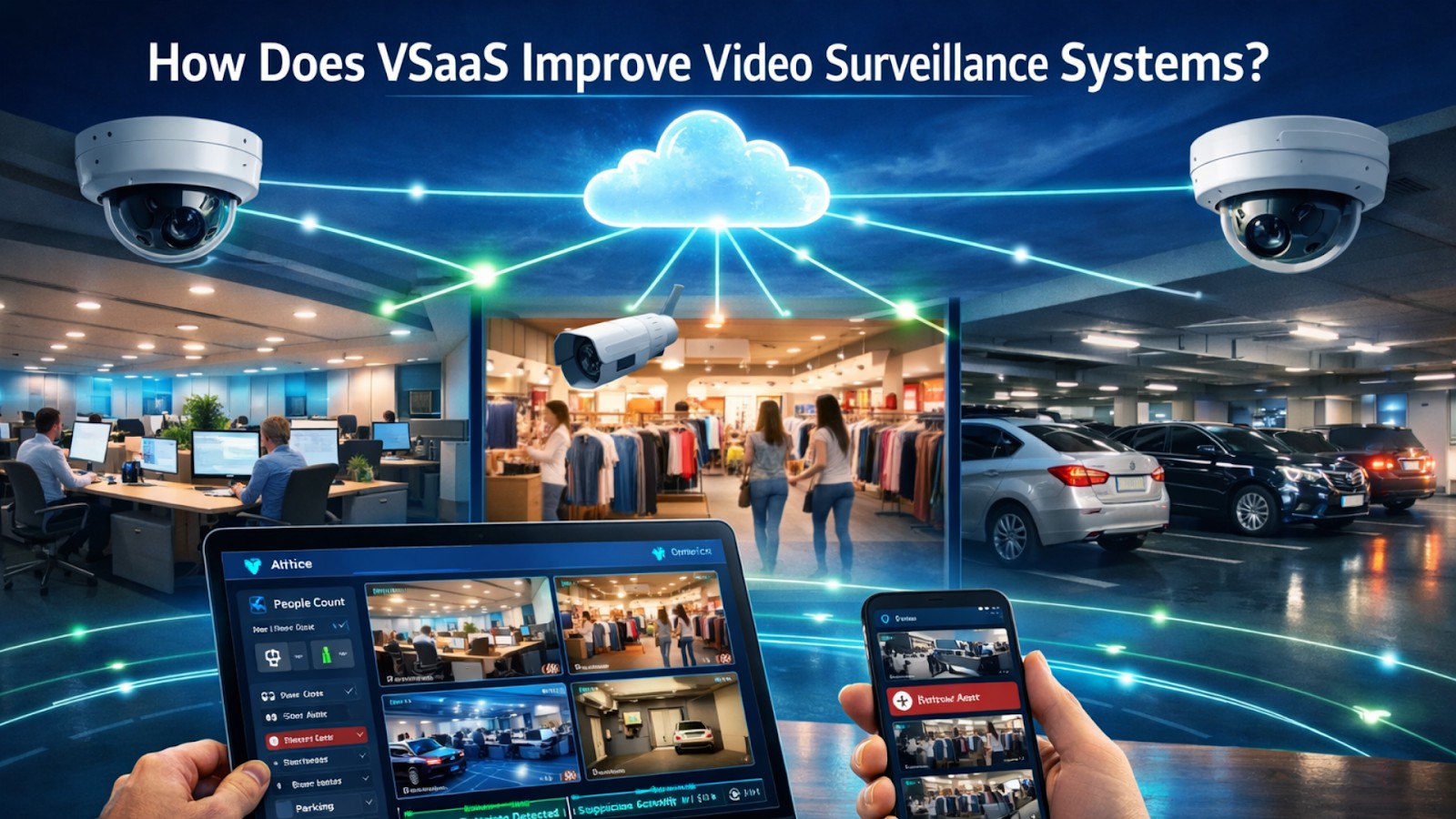
Have you ever wondered why many organizations are shifting their surveillance systems to the cloud? Traditional security setups often require expensive hardware, complex installations, and constant maintenance. As technology evolves, businesses are searching for smarter and more flexible solutions to manage security efficiently.
vsaas
(Video Surveillance as a Service) is a cloud-based approach that allows organizations to store, manage, and monitor video surveillance through the internet. Instead of relying on local servers and physical storage devices, this model enables users to access security footage remotely and manage surveillance systems from anywhere. This innovation is transforming the way modern security systems operate.
What Is VSaaS and How Does It Work?
VSaaS is a surveillance model where video data is stored and managed in the cloud rather than on-site hardware. Security cameras transmit video streams to secure cloud servers where they are processed, stored, and accessed by authorized users.
Key Components of VSaaS
Cloud Storage – Video recordings are stored securely in remote servers.
Remote Monitoring – Users can access surveillance feeds from any internet-connected device.
Scalable Infrastructure – Systems can expand without major hardware upgrades.
Automated Updates – Cloud platforms receive continuous improvements and security updates.
This model reduces the complexity associated with traditional surveillance setups while improving accessibility and flexibility.
Key Benefits of Cloud-Based Surveillance
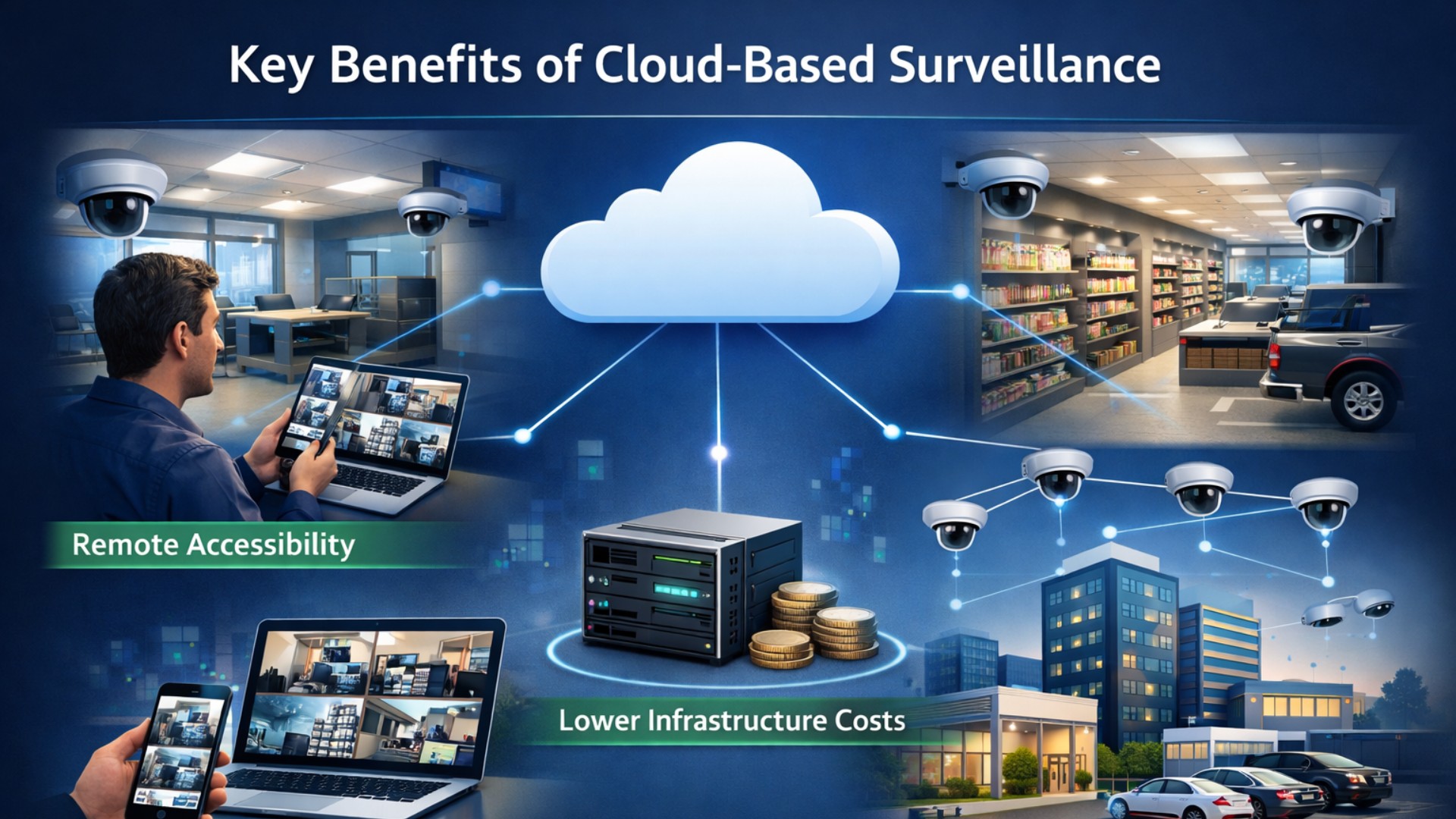
Organizations are adopting cloud surveillance because it offers several operational and financial advantages.
1. Remote Accessibility
One of the biggest advantages is the ability to monitor security footage from anywhere.
Security managers can:
Access live video feeds remotely
Review recorded footage instantly
Monitor multiple locations from a single dashboard
This capability makes surveillance management more convenient and efficient.
2. Lower Infrastructure Costs
Traditional surveillance systems require significant investment in hardware, servers, and storage devices.
Cloud-based systems reduce these costs by eliminating:
On-site storage hardware
Complex maintenance requirements
Frequent equipment upgrades
Instead, organizations typically pay a subscription fee based on usage.
3. Improved Scalability
Businesses grow, and their security needs change over time. Cloud surveillance systems allow organizations to add new cameras and locations easily without major infrastructure changes.
This flexibility makes them suitable for both small businesses and large enterprises.
Integration with Modern Security Technologies
Modern surveillance platforms integrate seamlessly with other security tools to create a more powerful monitoring system.
For example, many organizations combine cloud surveillance with
video management systems to control camera networks, analyze video data, and manage recordings efficiently.
Features of Integrated Security Platforms
Centralized monitoring dashboards
Intelligent video analytics
Automated alerts for unusual activities
Real-time incident notifications
These capabilities allow security teams to identify threats quickly and respond effectively.
Industries Benefiting from Cloud Surveillance
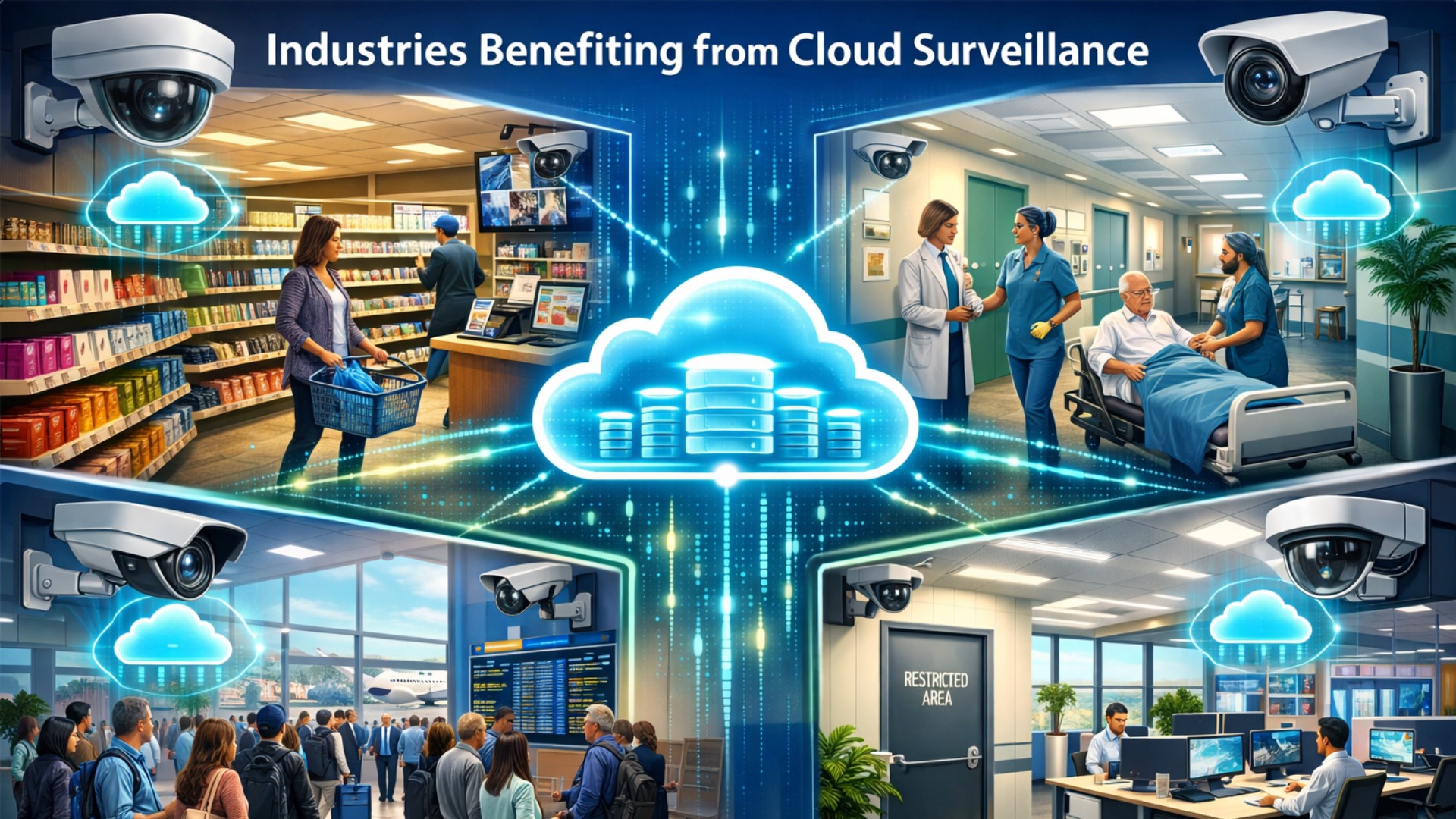
Cloud-based surveillance solutions are widely used across different industries.
Retail
Retailers use cloud surveillance to monitor store activity, prevent theft, and analyze customer movement patterns.
Healthcare
Hospitals rely on cloud surveillance to monitor sensitive areas and improve patient safety.
Transportation
Airports, train stations, and logistics centers use surveillance systems to manage large facilities and ensure operational safety.
Corporate Offices
Businesses use surveillance to monitor workplace environments, protect assets, and manage building security.
These applications demonstrate how cloud technology is transforming modern security operations.
Challenges and Considerations
While cloud surveillance offers many advantages, organizations should consider several factors before implementation.
Key Considerations
Internet Reliability: Continuous connectivity is necessary for remote monitoring.
Data Security: Proper encryption and access control are essential.
Privacy Compliance: Surveillance practices must follow legal regulations.
Addressing these challenges ensures a secure and reliable surveillance environment.
Future Trends in Cloud Surveillance
As technology advances, cloud surveillance platforms will continue to evolve.
Future developments may include:
AI-powered threat detection
Predictive analytics for security risks
Integration with smart city infrastructure
Advanced automation for monitoring systems
These innovations will further improve the effectiveness of modern security systems.
Additionally, many cloud platforms now incorporate advanced
vms software to manage large networks of cameras and analyze video footage more efficiently.
Conclusion
Cloud-based surveillance is transforming how organizations manage security operations. By eliminating the need for complex hardware infrastructure, cloud systems provide greater flexibility, scalability, and accessibility. Businesses can monitor their environments remotely, manage multiple locations easily, and adapt quickly as their security needs grow.
As technology continues to evolve, solutions like b]
vsaas
will play an increasingly important role in modern security strategies, helping organizations protect their assets and improve operational efficiency.
FAQ Section
1. What is VSaaS in surveillance?
VSaaS stands for Video Surveillance as a Service. It is a cloud-based model where surveillance footage is stored and managed online instead of on local hardware.
2. Is cloud surveillance secure?
Yes, when implemented with encryption, secure access controls, and reliable providers, cloud surveillance systems can be highly secure.
3. Can small businesses use cloud surveillance?
Absolutely. Cloud-based surveillance systems are scalable and can be customized to fit businesses of all sizes.
4. What are the main advantages of cloud surveillance?
Key benefits include remote monitoring, reduced infrastructure costs, scalability, and easier system management.
5. Does cloud surveillance replace traditional systems?
In many cases, cloud solutions complement or replace traditional setups, depending on the organization's needs.